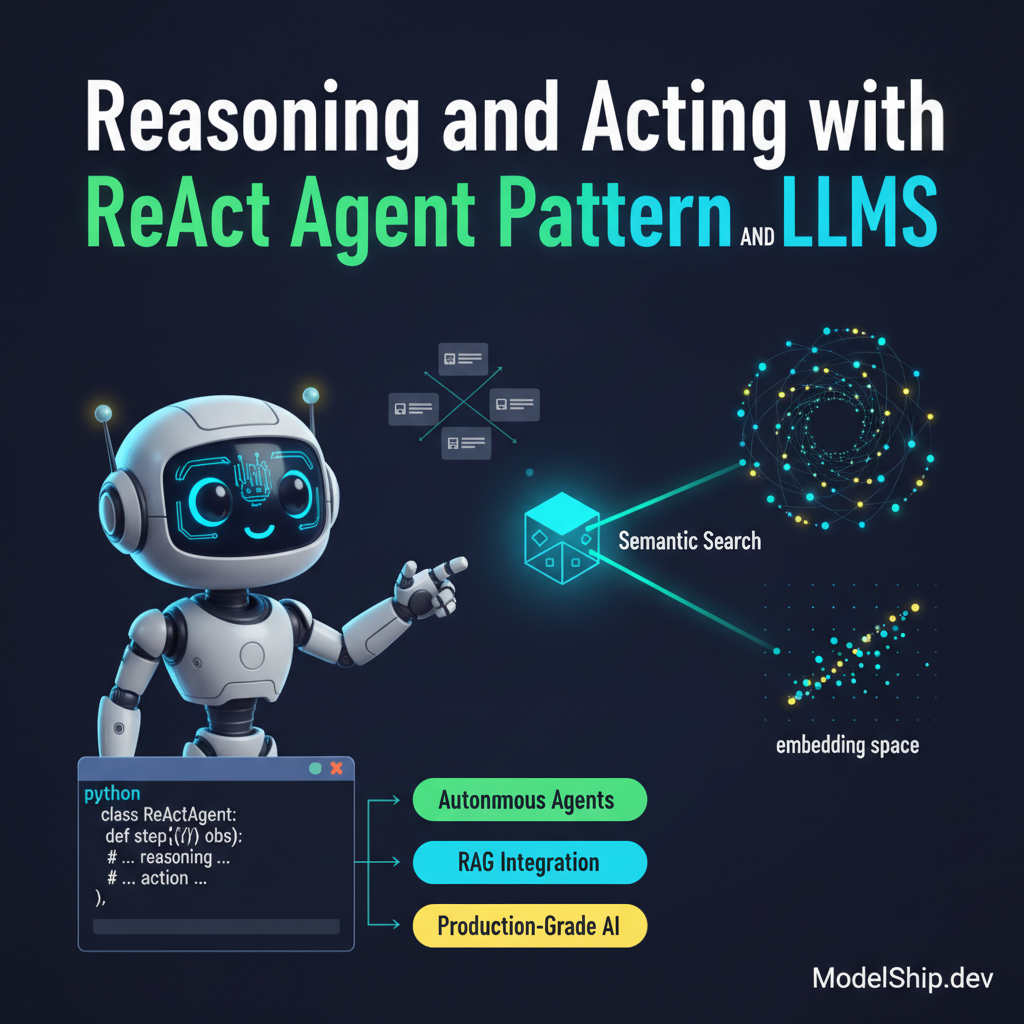
Reasoning and Acting with ReAct Agent Pattern and LLMs
TL;DR
The ReAct Agent Pattern combines the strengths of large language models and retrieval-augmented generation to create autonomous agents. In this article, we'll delve into the why and how of implementing this pattern, covering key concepts, common misconceptions, and practical examples. By the end of this journey, you'll be equipped to design and deploy your own ReAct-based systems, leveraging the power of LLMs and RAG to drive reasoning and action in your AI applications.
Key Takeaways
- Understand the fundamentals of the ReAct Agent Pattern and its application to LLMs and RAG
- Learn how to design and implement autonomous agents using the ReAct pattern
- Discover how to overcome common challenges and misconceptions in ReAct-based system development
- Explore the role of tool use and multi-step planning in ReAct-based systems
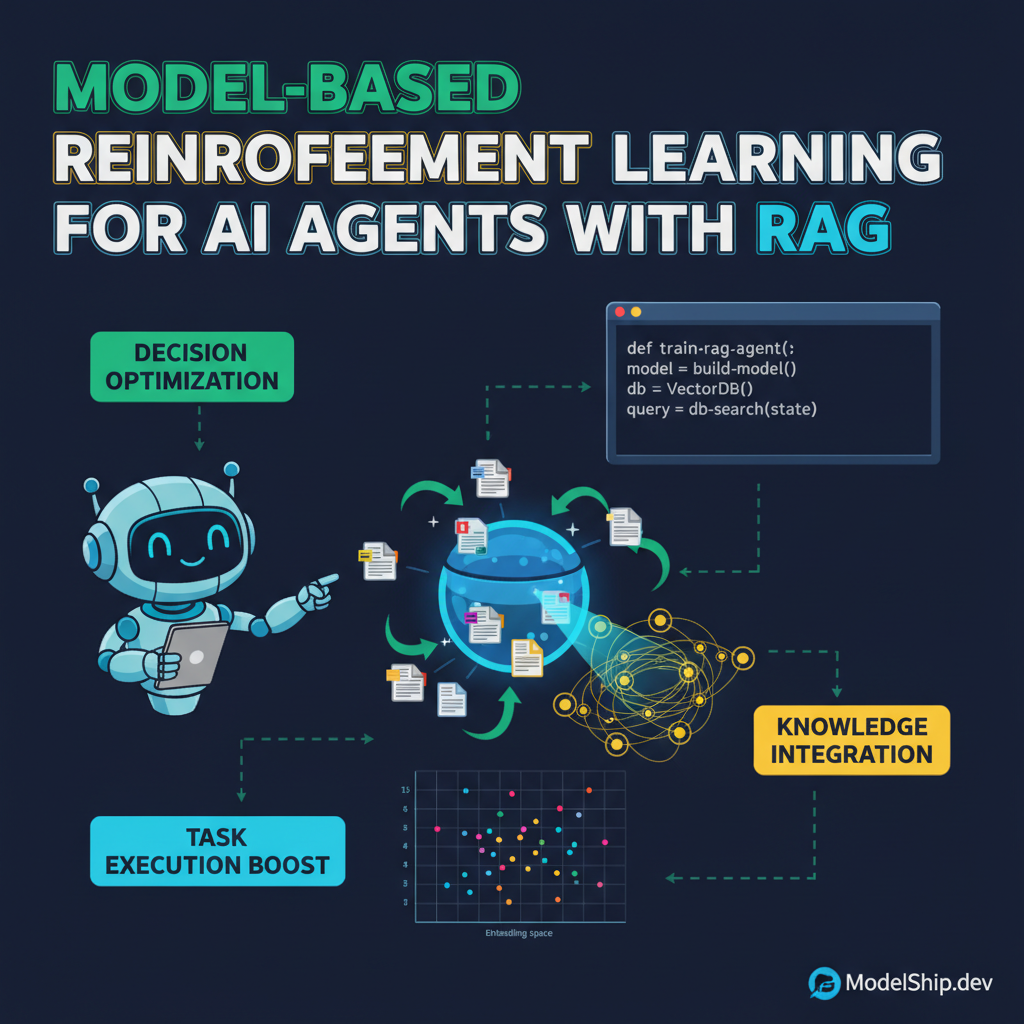
- Apply ReAct to real-world problems, integrating with technologies like vector databases and CRM systems
Introduction to ReAct Agent Pattern
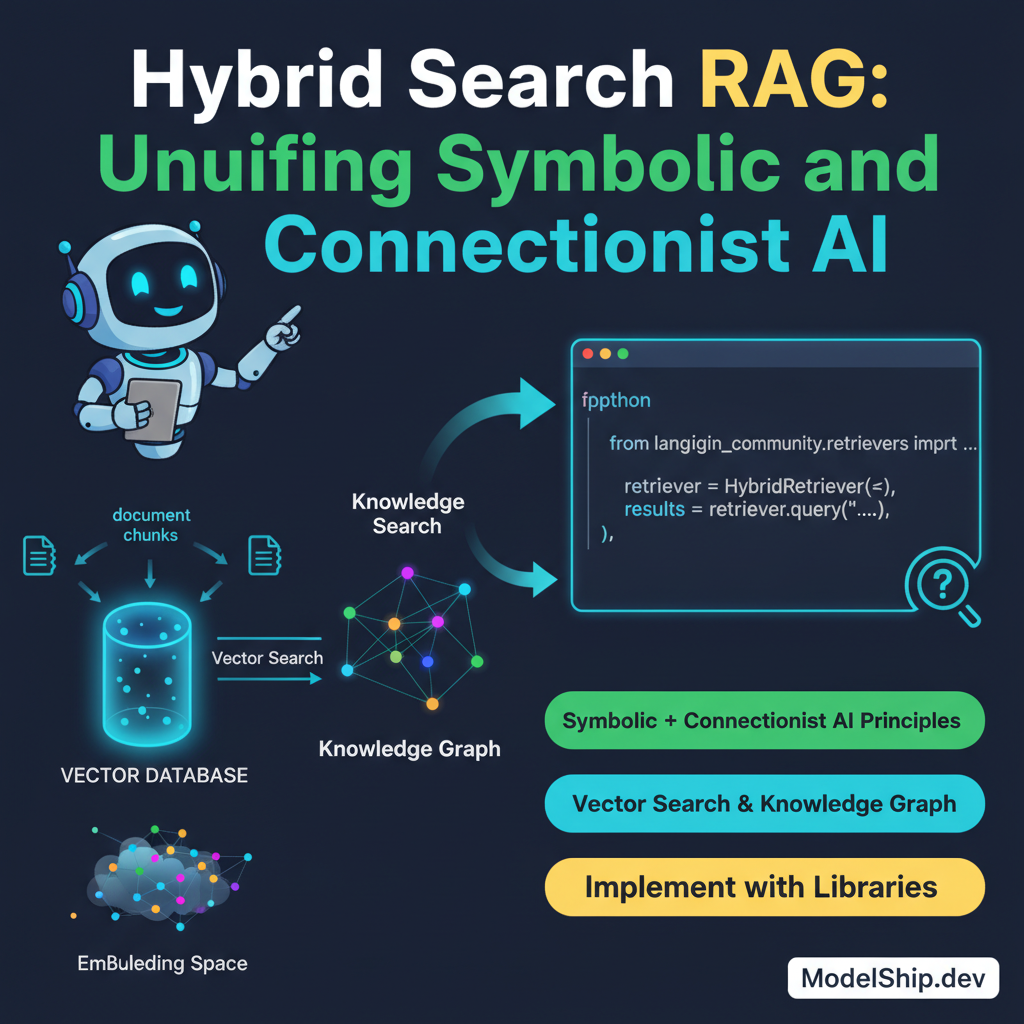
The key insight here is that traditional AI systems often focus on either reasoning or acting, but not both. The ReAct Agent Pattern aims to bridge this gap by combining the strengths of large language models (LLMs) and retrieval-augmented generation (RAG). What most tutorials miss is that ReAct is not just a pattern, but a paradigm shift in how we design and deploy AI systems.
Foundations of ReAct
LLMs and RAG: A Primer
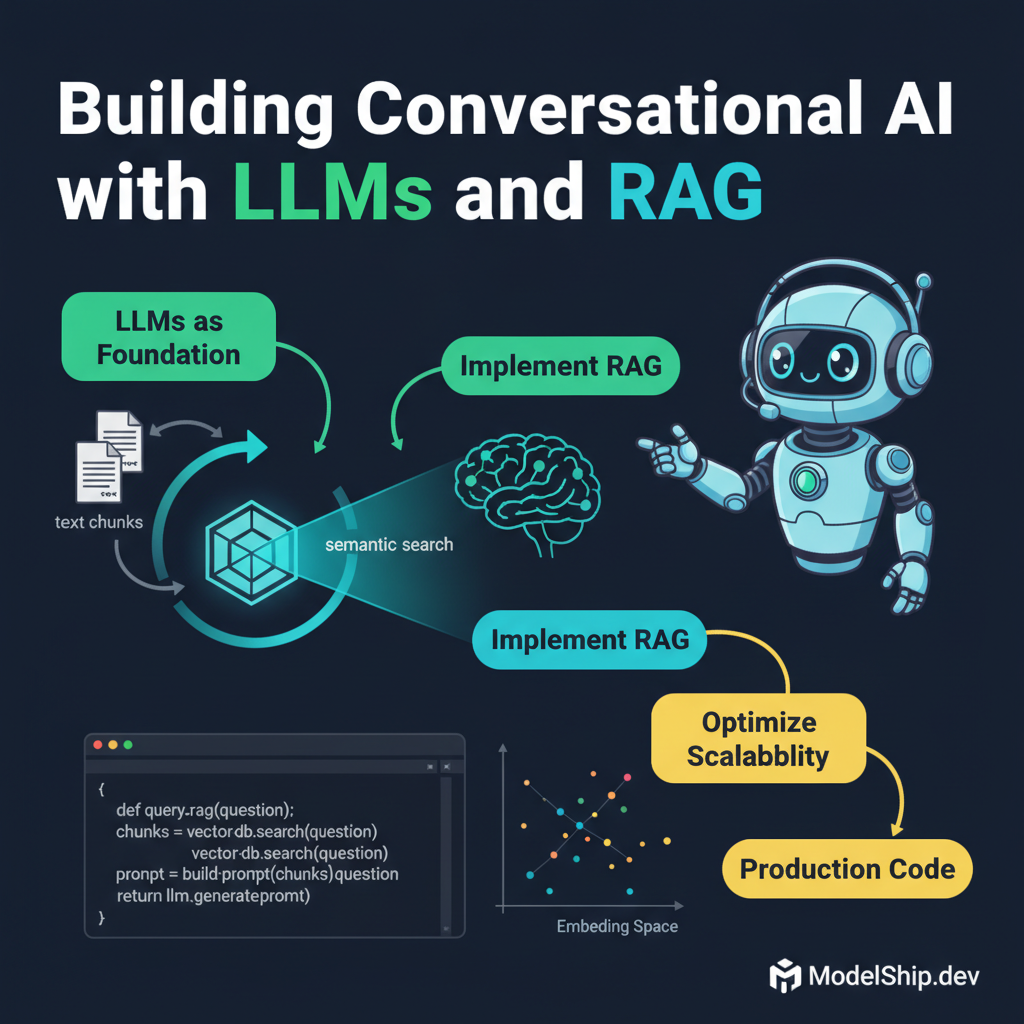
Before diving into ReAct, it's essential to understand the building blocks: LLMs and RAG. LLMs are powerful models capable of processing and generating human-like language, while RAG is a technique that leverages retrieval mechanisms to augment language generation. Let's break this down step by step: LLMs provide the foundation for language understanding and generation, while RAG enables the incorporation of external knowledge and context.
ReAct Pattern Overview
At its core, the ReAct pattern involves the interplay between a reasoning component (the LLM) and an acting component (the RAG system). The reasoning component analyzes the input and generates a plan, which is then executed by the acting component. Here's why this matters: by separating reasoning from acting, we can create more modular, maintainable, and scalable AI systems.
Designing ReAct-Based Systems
Tool Use and Multi-Step Planning
A common misconception is that ReAct-based systems are limited to simple, one-step planning. However, by incorporating tool use and multi-step planning, we can create more sophisticated autonomous agents. For example, an agent can use a tool to retrieve information, which is then used to inform the next step in the planning process. As seen in autonomous agents with tool use and multi-step planning, this approach enables more complex and realistic scenarios.
Integrating with Vector Databases
Another critical aspect of ReAct-based system design is the integration with vector databases. By using efficient indexing techniques for vector search, we can efficiently store and retrieve embeddings, enabling faster and more accurate reasoning and acting. Additionally, vector database comparison can help choose the most suitable database for the specific use case.
Implementing ReAct with LLMs and RAG
import torch
from transformers import AutoModelForSeq2SeqLM, AutoTokenizer

# Initialize LLM and RAG components
llm = AutoModelForSeq2SeqLM.from_pretrained("t5-base")
tokenizer = AutoTokenizer.from_pretrained("t5-base")

# Define the ReAct pattern
def react(input_text):
    # Reasoning component (LLM)
    input_ids = tokenizer.encode(input_text, return_tensors="pt")
    output = llm.generate(input_ids)

    # Acting component (RAG)
    output_text = tokenizer.decode(output[0], skip_special_tokens=True)
    return output_text

# Test the ReAct pattern
input_text = "What is the capital of France?"
output_text = react(input_text)
print(output_text)
Overcoming Common Challenges
Addressing Misconceptions and Pitfalls
A common pitfall when implementing ReAct is underestimating the complexity of the reasoning and acting components. To overcome this, it's essential to carefully evaluate the requirements of the system and allocate sufficient resources. Additionally, building self-correcting RAG pipelines can help mitigate errors and improve overall system performance.
Evaluation and Iteration
Practical Guide to RAG Pipelines Evaluation Metrics
To ensure the effectiveness of ReAct-based systems, it's crucial to use practical evaluation metrics for RAG pipelines. This involves assessing the performance of both the reasoning and acting components, as well as the overall system. By doing so, we can identify areas for improvement and iterate towards more robust and efficient ReAct-based systems.
Frequently Asked Questions
What is the difference between ReAct and traditional AI systems?
Traditional AI systems often focus on either reasoning or acting, whereas ReAct combines both aspects, enabling more comprehensive and autonomous AI systems.
Can ReAct be used with other AI models and techniques?
Yes, ReAct can be adapted to work with various AI models and techniques, including other LLMs, RAG variants, and even non-language based models. However, the choice of model and technique will depend on the specific requirements and constraints of the system.
How can I ensure the scalability and maintainability of my ReAct-based system?
To ensure scalability and maintainability, focus on creating a modular and balanced ReAct pattern, using efficient indexing techniques, and integrating with suitable vector databases. Regular evaluation and iteration are also crucial to identify areas for improvement and optimize system performance.
Conclusion
In conclusion, the ReAct Agent Pattern offers a powerful approach to designing and implementing autonomous AI systems, leveraging the strengths of LLMs and RAG. By understanding the fundamentals of ReAct, overcoming common challenges, and using practical evaluation metrics, we can create more robust, efficient, and scalable AI systems. As we continue to push the boundaries of AI research and development, the ReAct pattern is poised to play a key role in shaping the future of autonomous agents and AI applications.
PhD in NLP, now building AI products. I explain the 'why' behind AI systems so you can make better engineering decisions, not just copy-paste code.
More from Dr. Sarah Kim →Discussion
Loading comments…
Leave a comment
Related Articles