API Documentation Best Practices with Swagger and OpenAPI
TL;DR
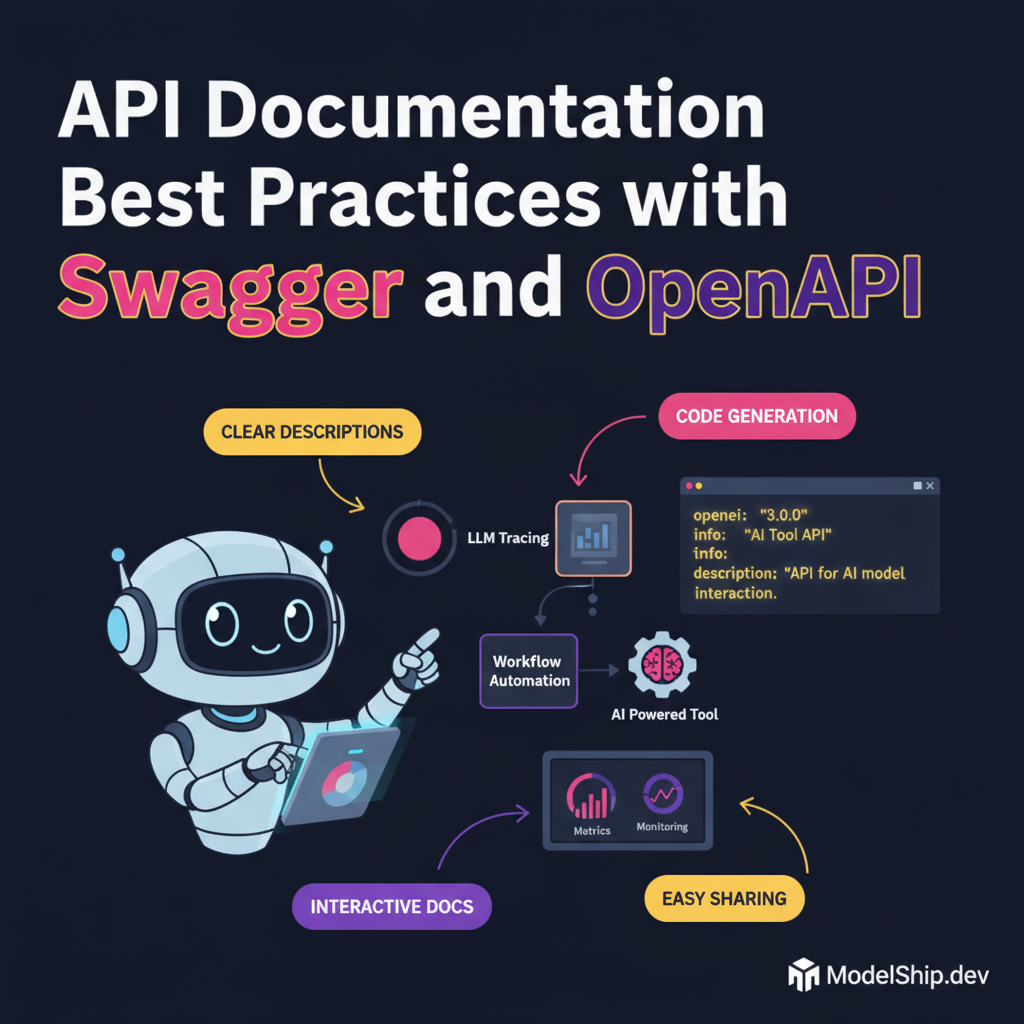
API documentation is crucial for AI tooling, and Swagger/OpenAPI are essential tools. The key insight here is that well-documented APIs are more maintainable, scalable, and user-friendly. In this article, we'll dive into the world of API documentation, exploring the why and how of using Swagger and OpenAPI for your AI projects. By the end of this tutorial, you'll be equipped with the knowledge to create top-notch API documentation that streamlines your development workflow.
Key Takeaways
- Understand the importance of API documentation in AI tooling
- Learn how to use Swagger and OpenAPI for generating API documentation
- Discover best practices for writing clear and concise API descriptions
- Explore how to leverage API gateways for secure and scalable API deployment
- Implement automated testing and validation for your API documentation
Introduction to API Documentation
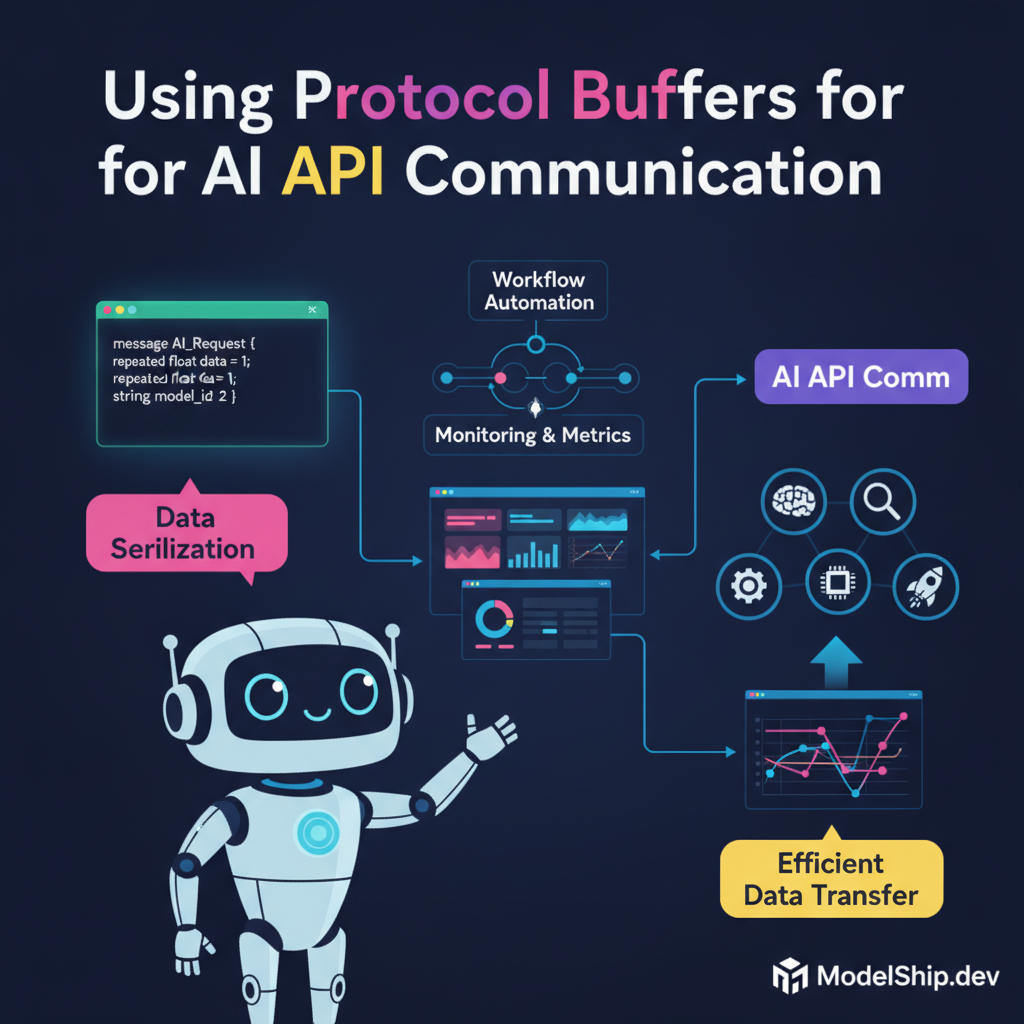
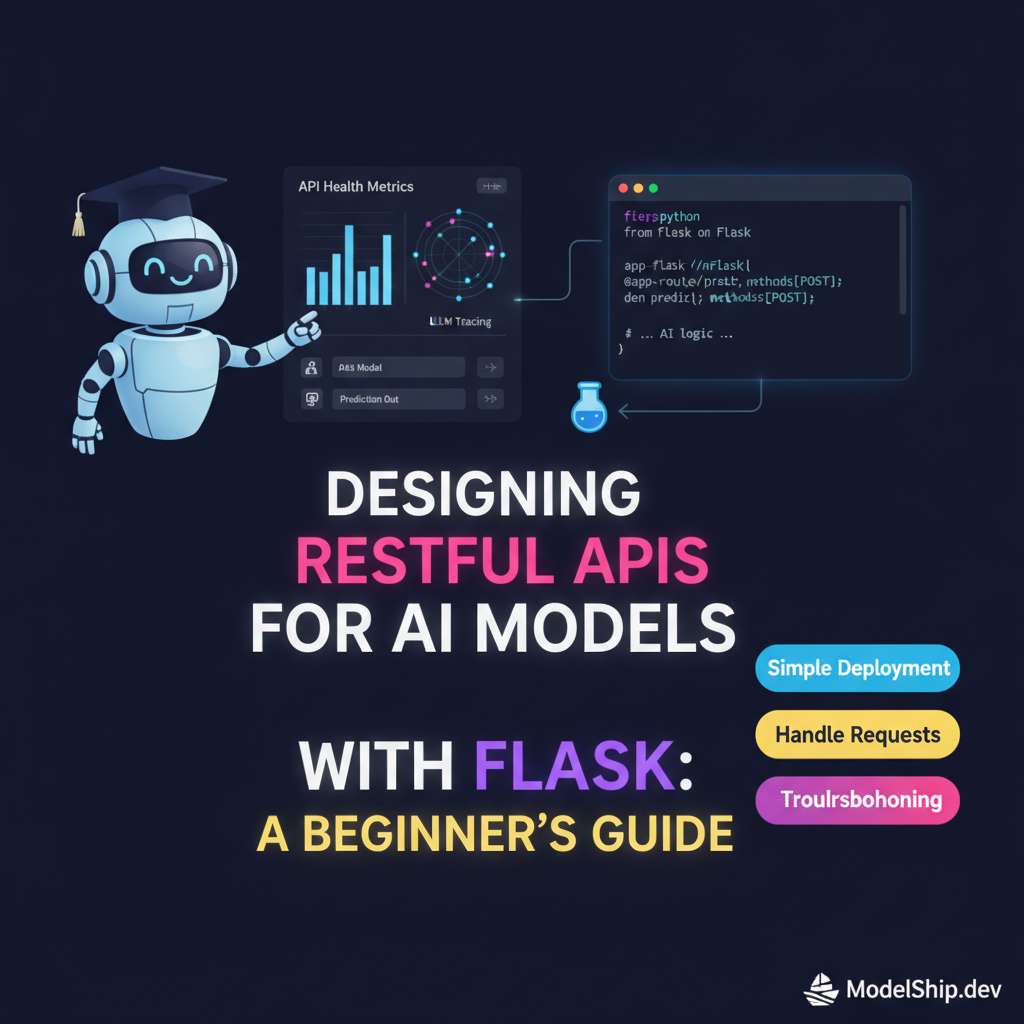
API documentation is often overlooked, but it's a critical component of any successful AI project. What most tutorials miss is that good documentation is not just about writing comments in your code; it's about creating a comprehensive guide that helps users understand how to interact with your API. Designing RESTful APIs for AI models is a great starting point, but documenting your API is where the real magic happens.
Why API Documentation Matters
Let's break this down step by step: API documentation serves as a single source of truth for your API, providing a clear understanding of its functionality, parameters, and return types. This, in turn, reduces the time spent on debugging and troubleshooting, making your development workflow more efficient.
Common Misconceptions About API Documentation
Getting Started with Swagger and OpenAPI
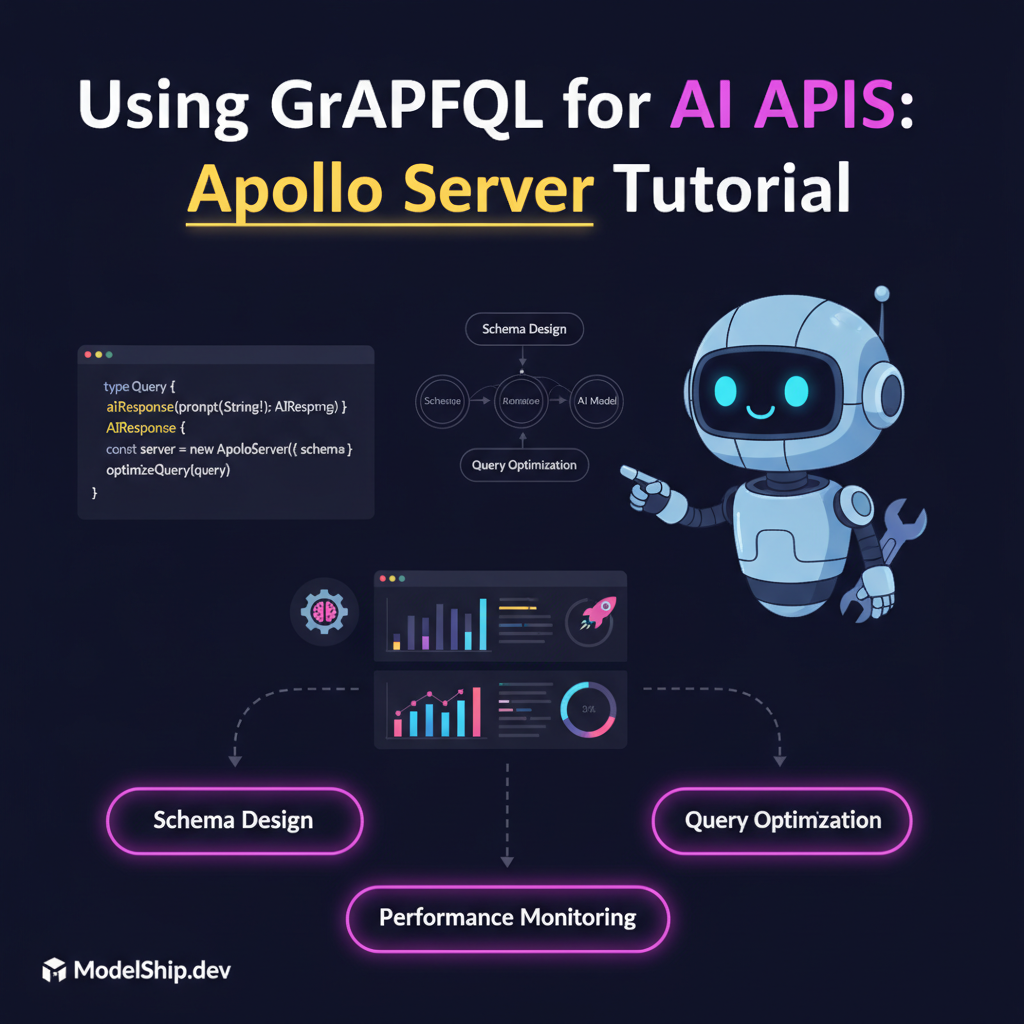
The key insight here is that Swagger and OpenAPI are not just tools for generating API documentation; they're also essential for designing and building robust APIs. Using GraphQL for AI APIs is another approach, but Swagger/OpenAPI are more widely adopted and supported.
Installing Swagger and OpenAPI
pip install swagger-ui-bundleConfiguring Swagger and OpenAPI
from flask import Flask, jsonify
from flask_swagger_ui import get_swaggerui_blueprint
app = Flask(__name__)
@app.route("/api/docs")
def get_docs():
    return jsonify({'swagger': '2.0', 'info': {'title': 'My API', 'version': '1.0'}})
Best Practices for API Documentation
Here's why this matters: well-documented APIs are more maintainable, scalable, and user-friendly. API Gateway for AI models can help you manage your API deployment, but it's up to you to create high-quality documentation.
Writing Clear and Concise API Descriptions
Using API Gateways for Secure and Scalable Deployment
Let's break this down step by step: API gateways provide an additional layer of security and scalability for your API, allowing you to manage traffic, authentication, and rate limiting.
Automated Testing and Validation
The key insight here is that automated testing and validation are crucial for ensuring the accuracy and consistency of your API documentation. Optimizing AI API performance is another important aspect, but testing and validation come first.
Using Tools Like Swagger and OpenAPI for Validation
from swagger_validator import validate_spec
validate_spec('path/to/swagger.json')
Implementing Automated Testing for Your API
Frequently Asked Questions
What is the difference between Swagger and OpenAPI?
Swagger and OpenAPI are often used interchangeably, but OpenAPI is the official specification, while Swagger is a set of tools for implementing it.
How do I generate API documentation using Swagger?
You can use the Swagger UI bundle to generate API documentation for your Flask or Django application.
What are some best practices for writing API documentation?
Some best practices include using simple language, focusing on key aspects of your API, and avoiding unnecessary jargon and technical details.
Conclusion
In conclusion, API documentation is a critical component of any successful AI project, and Swagger/OpenAPI are essential tools for generating high-quality documentation. By following the best practices outlined in this article and leveraging tools like API gateways and automated testing, you can create robust and maintainable APIs that streamline your development workflow.
PhD in NLP, now building AI products. I explain the 'why' behind AI systems so you can make better engineering decisions, not just copy-paste code.
More from Dr. Sarah Kim →Discussion
Loading comments…
Leave a comment
Related Articles