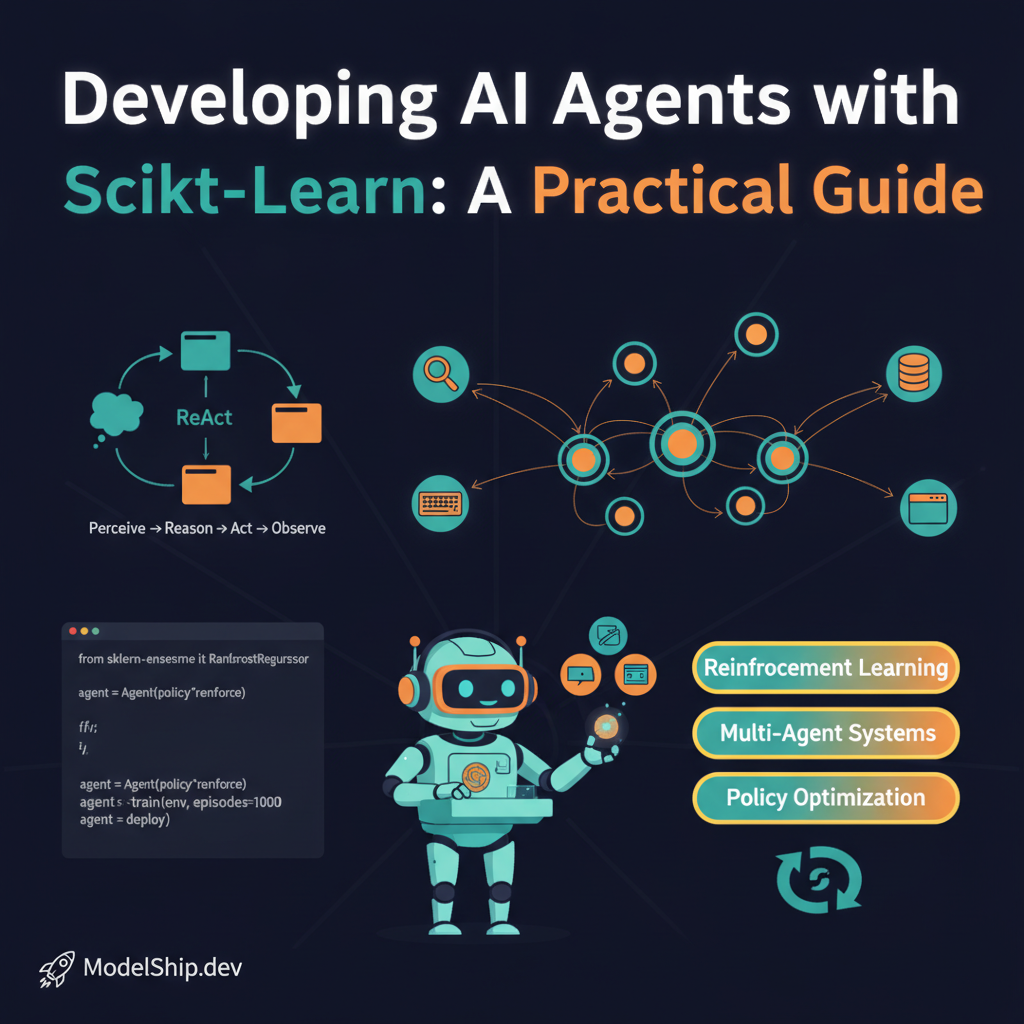
Developing AI Agents with Scikit-Learn: A Practical Guide
TL;DR
In this article, we'll explore how to use Scikit-Learn for AI agent development, covering the key concepts and implementation details you need to know to create robust agents. The key insight here is that Scikit-Learn provides a wide range of tools and techniques that can be used to develop AI agents. We'll break this down step by step, and by the end of this article, you'll have a solid understanding of how to use Scikit-Learn for AI agent development.
Key Takeaways
- Understand the basics of AI agent development and how Scikit-Learn can be used to create robust agents
- Learn how to implement key concepts such as reinforcement learning and multi-agent systems using Scikit-Learn
- Discover how to optimize AI agent policies using reinforcement learning and other techniques
- Learn how to integrate Scikit-Learn with other tools and frameworks, such as Ray and Gym
- Understand how to evaluate and optimize AI agent performance using metrics such as accuracy and reward
Introduction to AI Agent Development
The field of AI agent development is rapidly evolving, with new techniques and tools being developed all the time. One of the most popular tools for AI agent development is Scikit-Learn, a Python library that provides a wide range of algorithms and techniques for machine learning and AI. In this article, we'll explore how to use Scikit-Learn for AI agent development, covering the key concepts and implementation details you need to know.
What is Scikit-Learn?
Scikit-Learn is a Python library that provides a wide range of algorithms and techniques for machine learning and AI. It includes tools for classification, regression, clustering, and more, making it a versatile and powerful tool for AI agent development. The key insight here is that Scikit-Learn provides a simple and intuitive API that makes it easy to use, even for developers without extensive experience in machine learning or AI.
Key Concepts in AI Agent Development
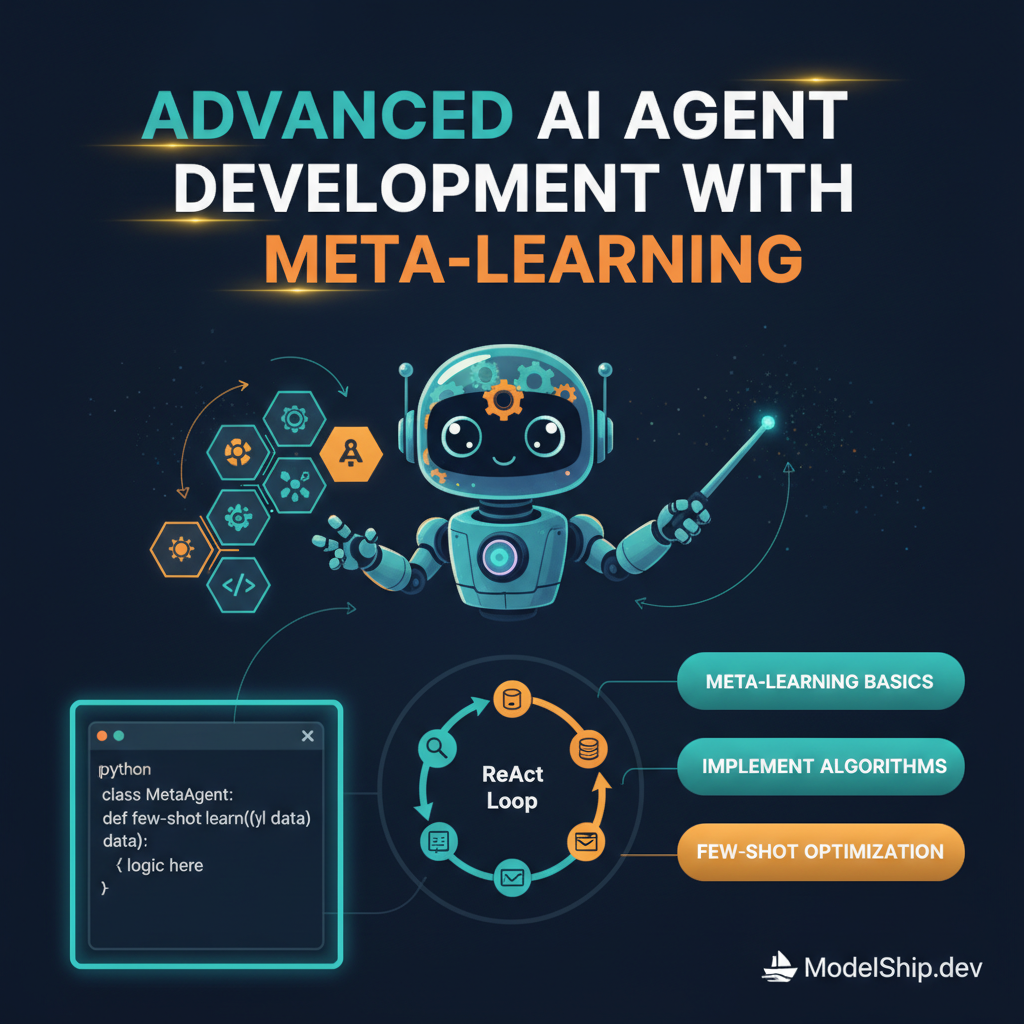
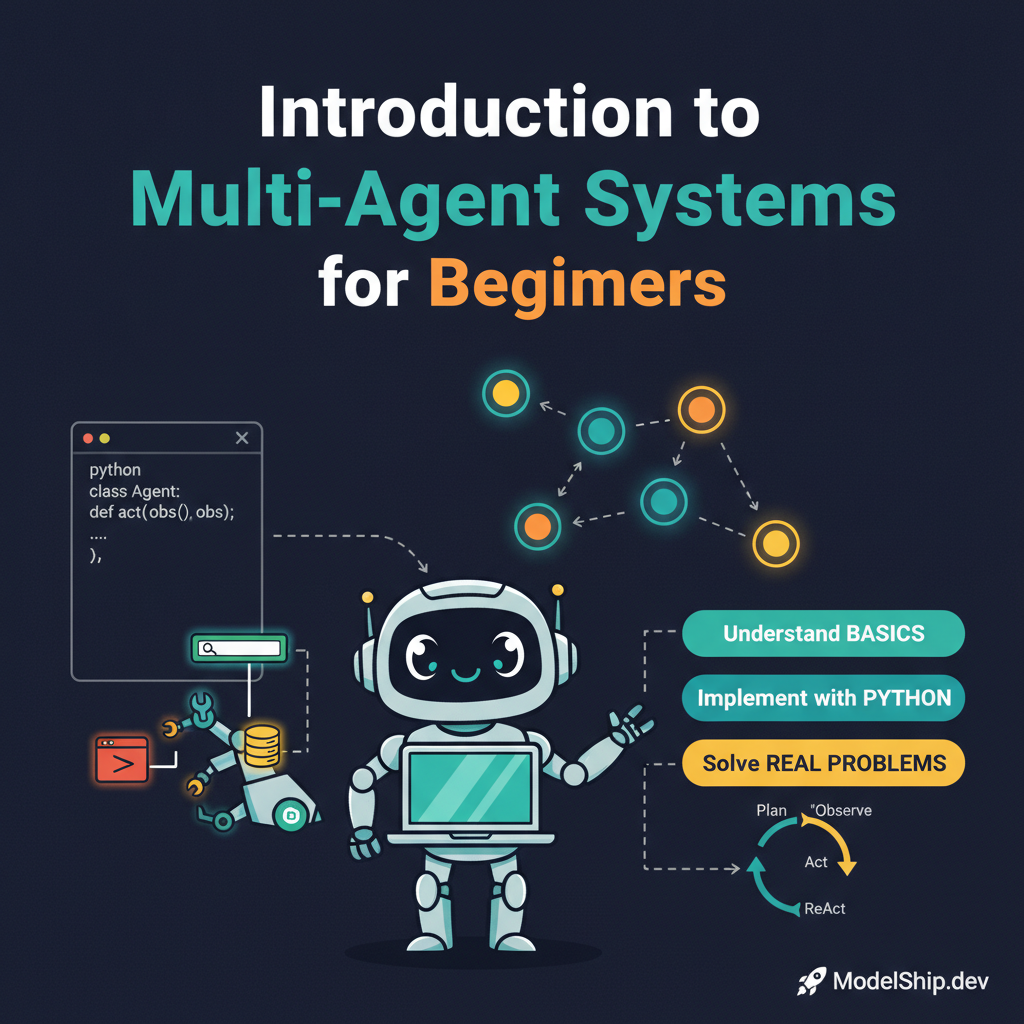
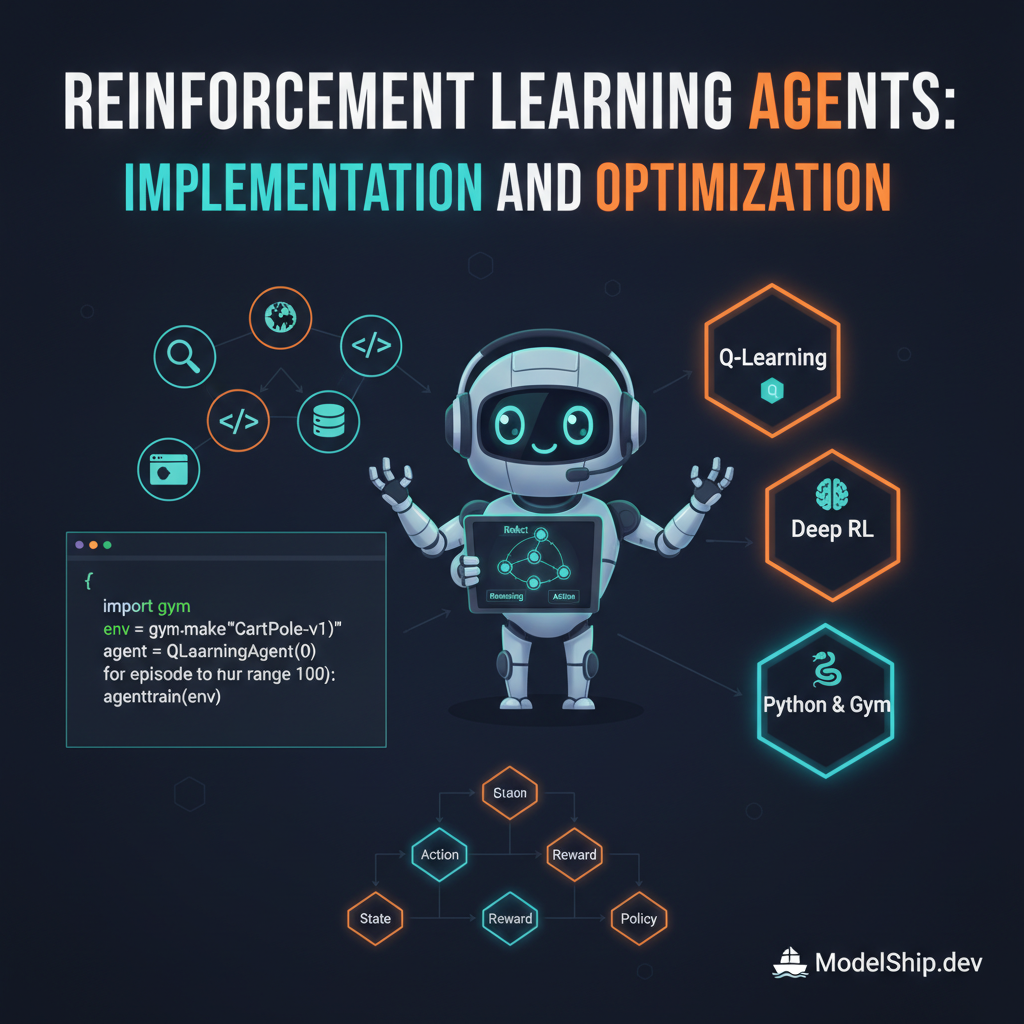
Before we dive into the implementation details, it's essential to understand the key concepts in AI agent development. These include reinforcement learning, multi-agent systems, and policy optimization. Introduction to Multi-Agent Systems for Beginners provides a comprehensive overview of multi-agent systems, while Reinforcement Learning Agents: Implementation and Optimization covers the basics of reinforcement learning.
Implementing AI Agents with Scikit-Learn
Now that we've covered the key concepts, let's dive into the implementation details. To implement an AI agent using Scikit-Learn, you'll need to follow these steps: create a dataset, split the data into training and testing sets, train a model, and evaluate the model's performance. The Building Custom AI Agents with Python and Gym article provides a detailed example of how to create a custom AI agent using Python and Gym.
from sklearn.ensemble import RandomForestClassifier
from sklearn.model_selection import train_test_split
from sklearn.metrics import accuracy_score

# Load the dataset
 dataset = load_dataset()

# Split the data into training and testing sets
X_train, X_test, y_train, y_test = train_test_split(dataset.data, dataset.target, test_size=0.2, random_state=42)

# Train a random forest classifier
clf = RandomForestClassifier(random_state=42)
clf.fit(X_train, y_train)

# Evaluate the model's performance
y_pred = clf.predict(X_test)
print("Accuracy:", accuracy_score(y_test, y_pred))Optimizing AI Agent Policies
Once you've trained an AI agent, the next step is to optimize its policy. This can be done using reinforcement learning, which involves training the agent to take actions that maximize a reward signal. The Optimizing AI Agent Policies with Reinforcement Learning article provides a comprehensive overview of how to optimize AI agent policies using reinforcement learning.
Common Pitfalls and Mistakes
When developing AI agents, there are several common pitfalls and mistakes to watch out for. These include overfitting, underfitting, and inadequate evaluation metrics.
Evaluating AI Agent Performance
Evaluating the performance of an AI agent is crucial to ensuring that it is working as intended. This involves using metrics such as accuracy, precision, and recall, as well as more specialized metrics, such as fairness and robustness. The Monitoring AI: Prometheus and Grafana for Observability article provides a comprehensive overview of how to evaluate and monitor AI systems.
Frequently Asked Questions
What is the difference between Scikit-Learn and other machine learning libraries?
Scikit-Learn is a Python library that provides a wide range of algorithms and techniques for machine learning and AI. While other libraries, such as TensorFlow and PyTorch, provide more comprehensive support for deep learning, Scikit-Learn is particularly well-suited for tasks such as classification, regression, and clustering.
How do I handle missing data in my dataset?
Handling missing data is an essential step in any machine learning pipeline. One approach is to use imputation, which involves replacing missing values with estimated values. Another approach is to use a robust model that can handle missing data, such as a random forest classifier.
What are some common applications of AI agents?
AI agents have a wide range of applications, including robotics, healthcare, and finance. They can be used to automate tasks, make decisions, and interact with humans. The AI in Everyday Life: How Artificial Intelligence Impacts You article provides a comprehensive overview of the benefits and applications of AI in everyday life.
Conclusion
In conclusion, developing AI agents with Scikit-Learn is a powerful and flexible approach that can be used to create robust and effective agents. By following the steps outlined in this article, and avoiding common pitfalls and mistakes, you can create AI agents that are capable of performing complex tasks and making decisions in real-world environments. Remember to always evaluate and monitor the performance of your AI agents, and to use a combination of metrics to get a comprehensive understanding of their strengths and weaknesses.
PhD in NLP, now building AI products. I explain the 'why' behind AI systems so you can make better engineering decisions, not just copy-paste code.
More from Dr. Sarah Kim →Discussion
Loading comments…
Leave a comment
Related Articles