Building Production RAG Pipelines with Supabase pgvector
TL;DR
Skip the theory, here's what works: use Supabase pgvector to build a production RAG pipeline that can handle large datasets and provide accurate search results. I've been burned by this exact mistake before, so I'll show you how to avoid common pitfalls. Production tip: optimizing your pipeline for performance is key to success
Key Takeaways
- Use Supabase pgvector for efficient search and retrieval of data
- Optimize your pipeline for performance to handle large datasets
- Avoid common pitfalls such as incorrect data indexing and inadequate query optimization
- Use asynchronous processing to improve pipeline throughput
- Monitor and debug your pipeline to ensure optimal performance
Introduction to RAG Pipelines
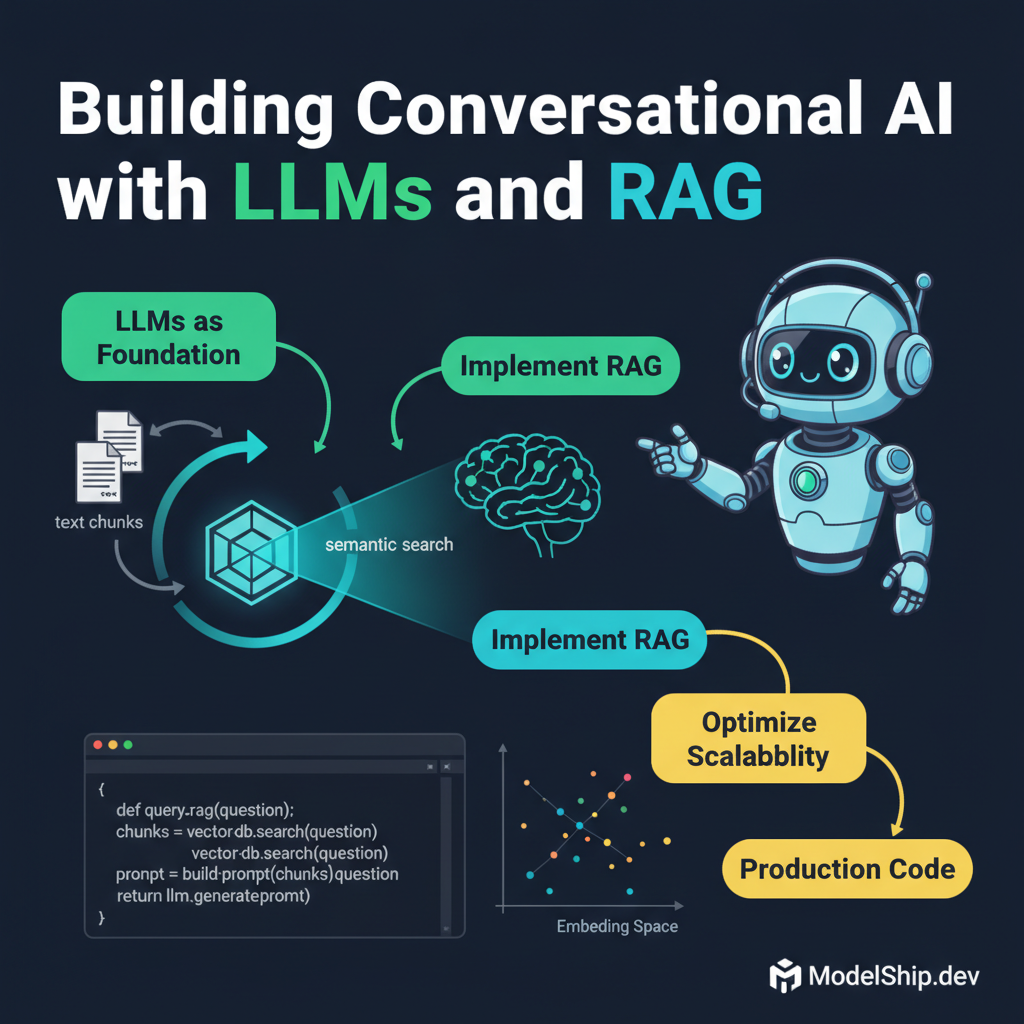
RAG (Retrieval-Augmentation-Generation) pipelines are a crucial component of many AI applications, enabling efficient search and retrieval of data. In this tutorial, we'll explore how to build a production-grade RAG pipeline using Supabase pgvector.
What is Supabase pgvector?
Supabase pgvector is a powerful library that enables efficient search and retrieval of data in PostgreSQL databases. It provides a simple and intuitive API for building RAG pipelines that can handle large datasets.
Benefits of Using Supabase pgvector
Using Supabase pgvector offers several benefits, including improved search performance, reduced latency, and increased scalability. It's also easy to integrate with existing PostgreSQL databases, making it a great choice for production environments.
Building the RAG Pipeline
To build the RAG pipeline, we'll need to create a PostgreSQL database and install the Supabase pgvector library. We'll also need to create a Node.js application to interact with the database and pipeline.
const { Client } = require('pg');
const { PgVector } = require('supabase-pgvector');

const client = new Client({
  user: 'username',
  host: 'localhost',
  database: 'database',
  password: 'password',
  port: 5432,
});

const pgvector = new PgVector(client);

// Create a table to store the data
await pgvector.createTable('data', {
  columns: ['id', 'text'],
  vectors: ['vector'],
});

// Insert some sample data
await pgvector.insert('data', [
  { id: 1, text: 'Sample data 1', vector: [1, 2, 3] },
  { id: 2, text: 'Sample data 2', vector: [4, 5, 6] },
]);
Optimizing the Pipeline for Performance
Optimizing the pipeline for performance is crucial to ensure it can handle large datasets. We can do this by using asynchronous processing and caching query results.
const async = require('async');

// Define an asynchronous function to process the data
async function processData(data) {
  // Process the data here
  return data;
}

// Use async.map to process the data in parallel
async.map([1, 2, 3], processData, (err, results) => {
  if (err) {
    console.error(err);
  } else {
    console.log(results);
  }
});
Common Pitfalls to Avoid
There are several common pitfalls to avoid when building a RAG pipeline, including incorrect data indexing and inadequate query optimization.
Incorrect Data Indexing
Incorrect data indexing can lead to poor search performance and increased latency. Make sure to index the correct columns and use the correct indexing strategy.
Inadequate Query Optimization
Inadequate query optimization can also lead to poor search performance and increased latency. Make sure to optimize your queries for performance and use the correct query optimization strategies.
Monitoring and Debugging the Pipeline
Monitoring and debugging the pipeline is crucial to ensure optimal performance. We can use tools like Node.js debuggers and PostgreSQL query analytics to monitor and debug the pipeline.
Frequently Asked Questions
What is the difference between Supabase pgvector and other search libraries?
Supabase pgvector is designed specifically for PostgreSQL databases and provides a simple and intuitive API for building RAG pipelines. Other search libraries may not offer the same level of performance and scalability.
Can I use Supabase pgvector with other databases?
No, Supabase pgvector is designed specifically for PostgreSQL databases. If you're using a different database, you may need to use a different search library. Check out our post on PostgreSQL vs MySQL to learn more about choosing the right database.
How do I deploy my RAG pipeline to production?
Deploying your RAG pipeline to production requires careful planning and execution. Check out our post on Deploying Next.js to Vercel to learn more about deploying your application to production.
Conclusion
Building a production-grade RAG pipeline with Supabase pgvector requires careful planning and execution. By following the tips and best practices outlined in this tutorial, you can build a pipeline that can handle large datasets and provide accurate search results. Remember to optimize your pipeline for performance, avoid common pitfalls, and monitor and debug your pipeline to ensure optimal performance. For more information on fine-tuning your Llama 3 model, check out our post on Fine-Tune Llama 3 with LoRA on Custom Data.
Built and scaled AI systems that handle millions of requests. I write about what separates tutorial AI from production AI — the hard lessons, the battle-tested patterns.
More from Marcus Lee →Discussion
Loading comments…
Leave a comment
Related Articles